


Lung Tumor Surgery and Treatment: When Is Surgery Needed, Benign Chances, and Costs
Lung Tumor Surgery and Treatment: When Is Surgery Needed, Benign Chances, and Costs
Hearing the term lung tumor can be alarming for many people. However, with accurate diagnosis and timely treatment, many patients achieve excellent outcomes and maintain a good quality of life.
This article provides a clear and practical overview of lung tumors—what they are, how they are diagnosed, and when treatment or surgery is necessary.
We also address common concerns such as the likelihood of benign disease, surgical options, costs, recovery, and how to choose an experienced specialist, helping you navigate each step with confidence.
Lung Tumor Surgery and Treatment Guide
What Is a Lung Tumor?
Differences Between Lung Tumors and Lung Cancer
A lung tumor refers to an abnormal growth of cells within the lung. Lung tumors can be either benign (non-cancerous) or malignant (cancerous), and their clinical significance varies depending on their biological behavior.
Benign Lung Tumors
Benign lung tumors grow slowly and do not spread to other parts of the body. In many cases, they cause no symptoms and are discovered incidentally during imaging studies.
Treatment may not be required unless the tumor grows, causes symptoms, or compresses nearby structures.
Malignant Lung Tumors (Lung Cancer)
Malignant lung tumors—commonly referred to as lung cancer—can invade surrounding tissues and metastasize to distant organs. These tumors require prompt medical evaluation and appropriate treatment.
Reach Out Thoracic Surgeon
Precision Surgery For Thoracic Care
Get Immediate Help!
Causes of Lung Tumors
Lung tumors may develop due to multiple factors, including:
- Long-term smoking or exposure to secondhand smoke.
- Environmental carcinogens such as air pollution, asbestos, or radon.
- Family history, particularly in individuals with close relatives diagnosed with lung cancer
- Previous lung infections or chronic inflammation (e.g., tuberculosis or fungal infections)
Common Symptoms of Lung Tumors
Early-stage lung tumors often cause few or nonspecific symptoms. When present, symptoms may include:
- Persistent cough or coughing up blood
- Chest tightness, chest pain, or back pain
- Shortness of breath
- Hoarseness due to nerve involvement
- Unexplained weight loss, fatigue, or loss of appetite
- Difficulty swallowing if the tumor compresses the esophagus
Because symptoms can be subtle, many lung tumors are discovered incidentally during imaging performed for other reasons.
How Are Lung Tumors Diagnosed?
Accurate diagnosis is essential to determine whether a lung tumor is benign or malignant and to guide treatment.
Imaging Studies
- Chest X-ray: May detect abnormal shadows or nodules
- Computed tomography (CT): Provides detailed information on tumor size, location, and surrounding anatomy
- PET-CT: Used selectively to assess metabolic activity and possible spread
Biopsy Procedures
If imaging suggests a lung tumor, tissue sampling is usually required. These examinations help determine whether the tumor is benign or cancerous and support further treatment planning
- Bronchoscopic biopsy: performed through the airways
- CT-guided needle biopsy: performed under CT guidance
Pathological analysis confirms the diagnosis and helps determine the most appropriate treatment plan.
What Should You Do If a Lung Tumor Is Found?
Determine Whether the Tumor Is Benign or Malignant
This is achieved through:
- CT scans and high-resolution imaging to evaluate tumor characteristics
- Biopsy: such as bronchoscopic biopsy or CT-guided needle biopsy, to obtain tissue samples
- pathological examination: which provides a definitive diagnosis.
A significant proportion of lung tumors—especially small nodules detected early—are benign.
However, imaging alone is often insufficient, and tissue confirmation is critical.
Imaging Follow-Up and Monitoring
For small tumors without clear malignant features and in low-risk patients, active surveillance may be recommended. This typically involves:
- Follow-up CT scans every 3–6 months ( based on clinical judgment)
- Monitoring for changes in size, shape, or growth rate
Assess the Need for Surgery or Additional Treatment
If malignancy is suspected and the tumor is operable treatment options are evaluated based on:
- Tumor size, location, and stage
- Overall health and lung function
- Surgical risk assessment
When Is Lung Surgery Needed
Surgical decision-making primarily depends on tumor size and stage.
- Tumor Size ≤ 1 cm: Peripheral tumors without lymph node involvement may be treated with limited or minimally invasive resection (T1a).
- Tumor Size 1–2 cm: Usually Stage I; surgery is often appropriate if no high-risk features are present.
- Tumor Size 2–3 cm: Often T1c or early Stage II; surgery remains an option with careful evaluation.
- Tumor Size 3–4 cm: May be Stage IIA–IIB; surgery considered if no nodal or distant spread is present.
- Tumor Size ≥ 4–5 cm: Requires careful assessment; neoadjuvant therapy or more extensive surgery may be needed.
Lung Cancer Staging and Surgical Eligibility
Whether lung tumor surgery is feasible and which treatment strategy is appropriate largely depend on cancer stage, which reflects the extent of tumor involvement.
Lung cancer is commonly staged using the TNM system, particularly for non-small cell lung cancer (NSCLC). This system evaluates:
- T (Tumor): tumor size and local extension
- N (Node): involvement of regional lymph nodes
- M (Metastasis): presence of distant metastasis
The 9th edition TNM staging system is currently used in clinical practice.
Surgical Eligibility by Stage
- Stage I–II and selected Stage IIIA: Surgery is often the primary treatment
- Stage IIIA: Multimodal therapy may be used, with surgery considered after induction treatment
- Small cell lung cancer (SCLC): Surgery is rarely used, except in very early, localized cases combined with adjuvant therapy
Reach Out Thoracic Surgeon
Precision Surgery For Thoracic Care
Get Immediate Help!
Lung Tumor Treatment Options
Treatment is individualized: depends on tumor type, stage, and patient factors such as age, lung function, and overall health.
Treatment options include:
- Surgery: Minimally invasive or robotic approaches are commonly used
- Targeted therapy and immunotherapy: Used when specific genetic mutations are present
- Combination therapy: Neoadjuvant or adjuvant treatment in higher-stage disease
- Chemotherapy: could be palliative therapy for disease control or as adjuvant therapy to reduce recurrence risk.
- Radiation therapy: For curative, adjuvant, or palliative purposes
Lung Tumor Surgery: Process, Duration, and Costs
The surgical process for lung tumor removal typically includes the following steps:
Step 1. Mark Tumor Location
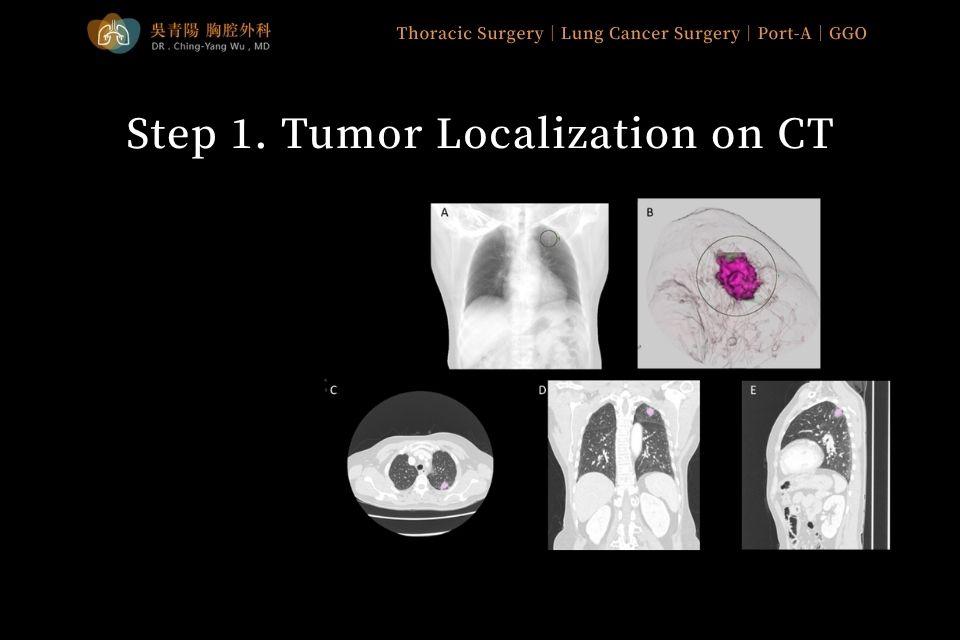
Tumor localization: CT images are reviewed to accurately mark the location of the lung tumor.
Step 2. Simulate Resection Plan
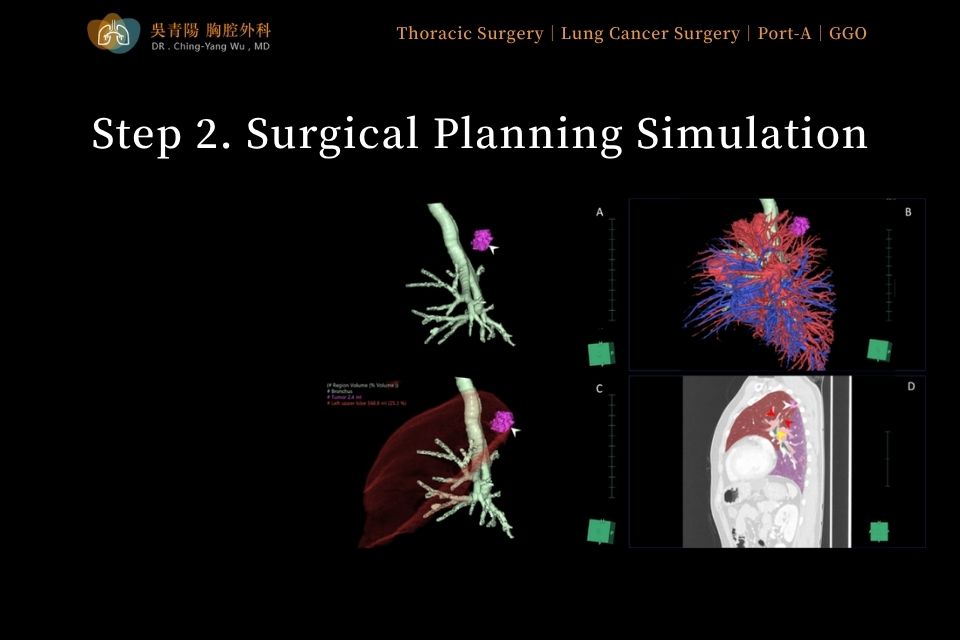
Surgical planning: The involved lung segment, blood vessels, and bronchial anatomy are carefully mapped before the operation.
Step 3. Assess Tumor Volume
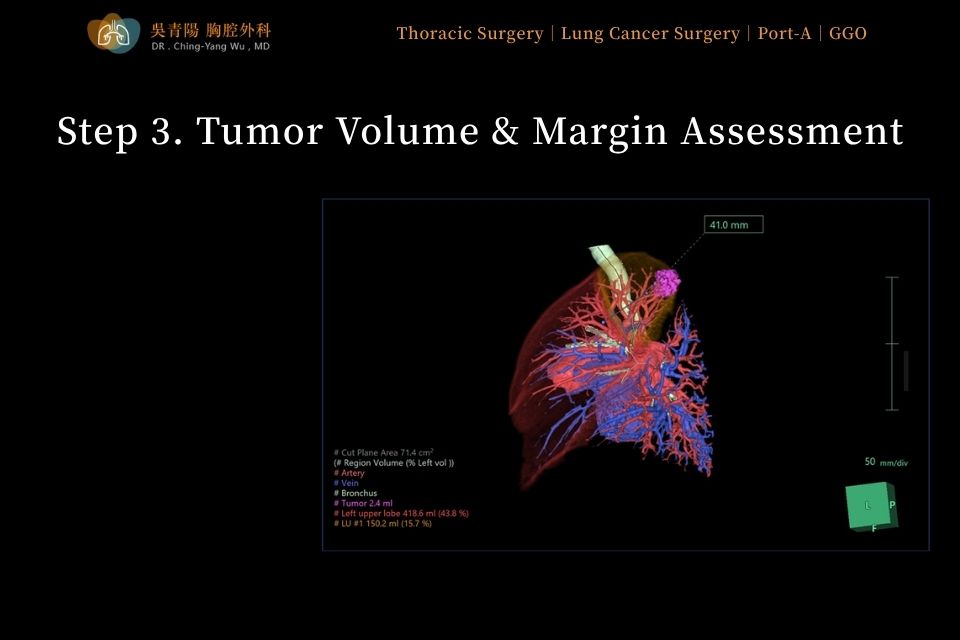
Tumor volume assessment: Surgeons evaluate the extent of resection, surgical margins, and the required vascular control.
Step 4. Image-Guided Localization
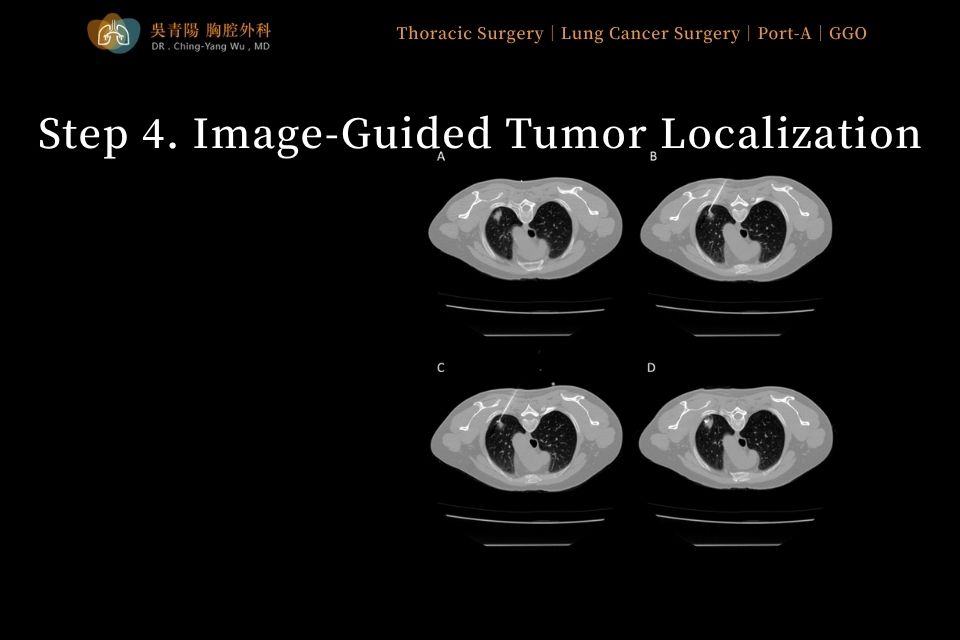
Image-guided localization: The tumor is precisely localized under image guidance, allowing small or deep-seated lesions to be identified during surgery.
Step 5. Surgical Resection
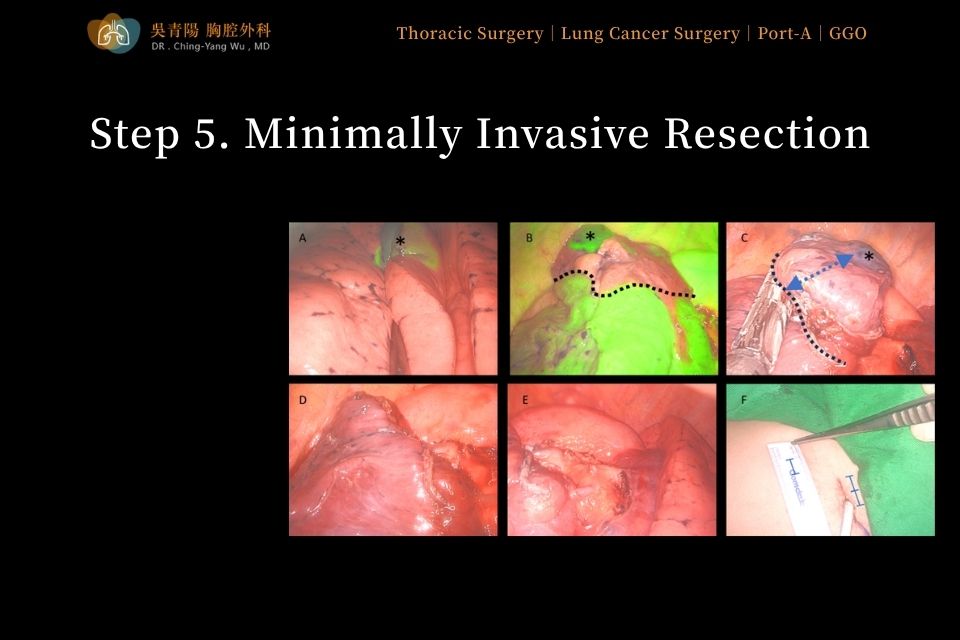
Surgical resection: Based on preoperative planning and image guidance, the tumor is removed with precision using minimally invasive techniques when appropriate.
Surgical curation and costs vary depending on tumor size, location, surgical approach, and overall treatment plan, and are determined on an individual basis.
Hospital Stay
- Average hospitalization: 5–8 days
- Duration depends on surgical complexity and postoperative recovery
Estimated Costs
- Insurance coverage: Standard procedures may be partially covered
- Out-of-pocket expenses: Advanced technologies (robotic surgery, image-guided localization) may not be fully covered
- Costs vary based on hospital level and surgical approach
Postoperative Recovery and Possible Complications
- Pain control: Less pain with minimally invasive surgery
- Respiratory rehabilitation: Breathing exercises reduce complications
- Early mobilization: Prevents blood clots and infections
- Monitoring: For air leaks, lung function, and recurrence
Why Early Detection Matters
Early detection improves treatment options and outcomes. Patients should:
- Complete diagnostic evaluation promptly
- Discuss all treatment options with a thoracic surgeon
- Understand insurance coverage and potential costs
- Commit to postoperative rehabilitation and follow-up
Frequently Asked Questions About Lung Tumors and Surgery
Q: What types of lung cancer surgery are available, and how are they chosen?
Lung cancer surgery can be classified in several ways:
- By incision size: minimally invasive surgery vs. open surgery
- By surgical technique: video-assisted thoracoscopic surgery (VATS) vs. robotic surgery
- By extent of resection: wedge resection, segmentectomy, lobectomy, or Pneumonectomy
The choice depends on tumor size, location, stage, and the patient's overall condition.
Q: Can lung tumor surgery be curative?
When a lung tumor is detected at an early and localized stage and can be completely removed with clear margins and no distant metastasis, the chance of cure is significantly higher.
Q: Can surgery be performed if the tumor is close to major blood vessels or airways?
This requires careful evaluation using imaging studies such as CT or PET-CT. In selected cases, minimally invasive or robotic surgery may allow complex resections while maintaining safety.
Q: Are lung tumor surgery costs covered by insurance or national health programs?
Some standard surgical and hospitalization costs may be covered. However, advanced instruments, specialized devices, and certain technologies are often not fully covered.
It is important to confirm coverage details with both the hospital and treating physician.
Q: Will quality of life be affected after lung tumor surgery?
Temporary changes are possible, including reduced lung function, surgical site pain, or shortness of breath.
With rehabilitation, breathing exercises, and structured postoperative care, many patients experience meaningful improvement over time.
Q: Is lung cancer surgery considered safe?
Surgical risk is mainly related to cardiopulmonary function and underlying medical conditions. Comprehensive preoperative evaluation by thoracic surgeons and anesthesiologists helps optimize surgical safety.
Most lung tumors can be removed successfully. The likelihood of unexpected metastasis requiring a change in treatment during surgery is less than 1%, and severe postoperative breathing difficulties are uncommon.
When surgery involves major pulmonary blood vessels, there is approximately a 1% risk of vascular injury, which may require conversion to open surgery for repair.
Reach Out Thoracic Surgeon
Precision Surgery For Thoracic Care
Get Immediate Help!
Read more...
- Collapsed Lung: Symptoms, Causes, Treatment, and Recovery
- Lung Adenocarcinoma Symptoms and Early Warning Signs at a Glance: A Complete Overview of Survival Rates, Screening, and Treatment
- How is an Implantable Venous Access Port ( Intravenous Port / Port-A / Totally implantable venous access device, TIVAD) procedure performed?
- Lung cancer symptoms such as cough should not be ignored