



Port-A Placement Procedure and Cases
Port-A Placement Procedure and Cases
Hello everyone, I am Dr. Ching-Yang Wu, a thoracic surgeon.
Today, I would like to share with you the placement procedure of an implantable venous access port (commonly known as a Port-A or artificial blood vessel).
An implantable venous access port, often referred to as a Port-A, is a device surgically implanted under the skin to provide long-term venous access.
The placement is performed under local anesthesia as a minor surgical procedure.
The main surgical steps include:
- Local anesthesia below the clavicle
- Skin incision and tissue dissection
- Venous puncture and catheter insertion
- Connection of the catheter to the port chamber
- Creation of a subcutaneous pocket
- Fixation of the port in place
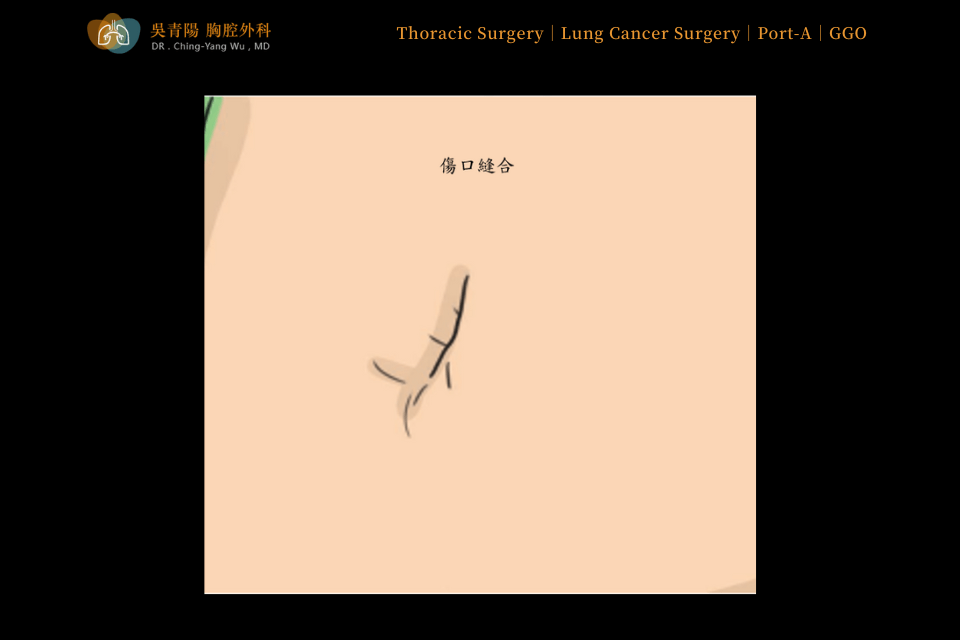
- Final wound closure with sutures
Below is a brief overview of the procedure.
Placement Procedure of an Implantable Venous Access Port (Port-A)
1. Local Anesthesia
Local anesthesia is administered below the clavicle for Port-A placement.
2. Skin Incision and Tissue Dissection
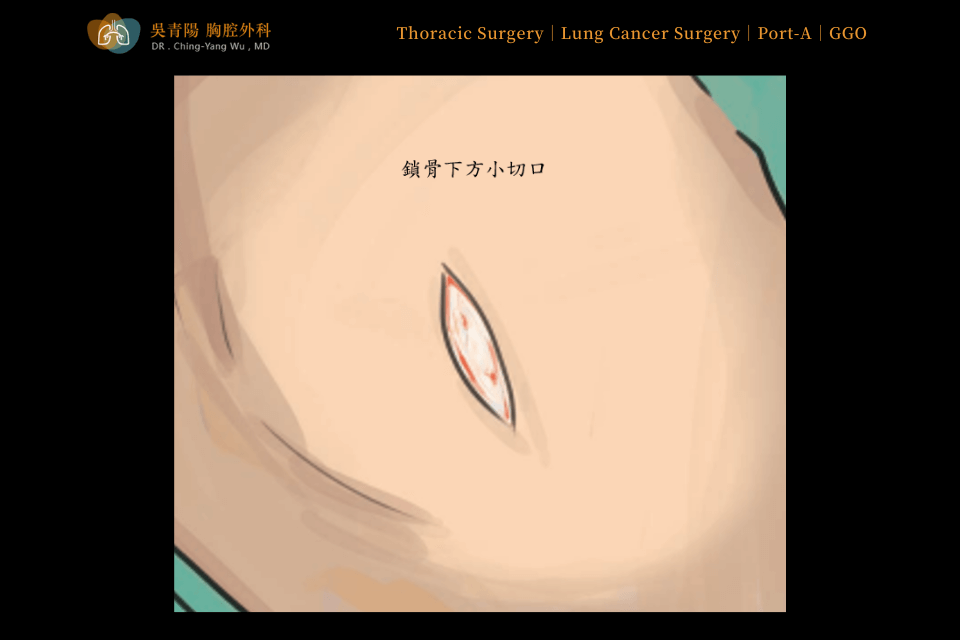
After local anesthesia, a 2 cm incision is created below the clavicle for Port-A placement.
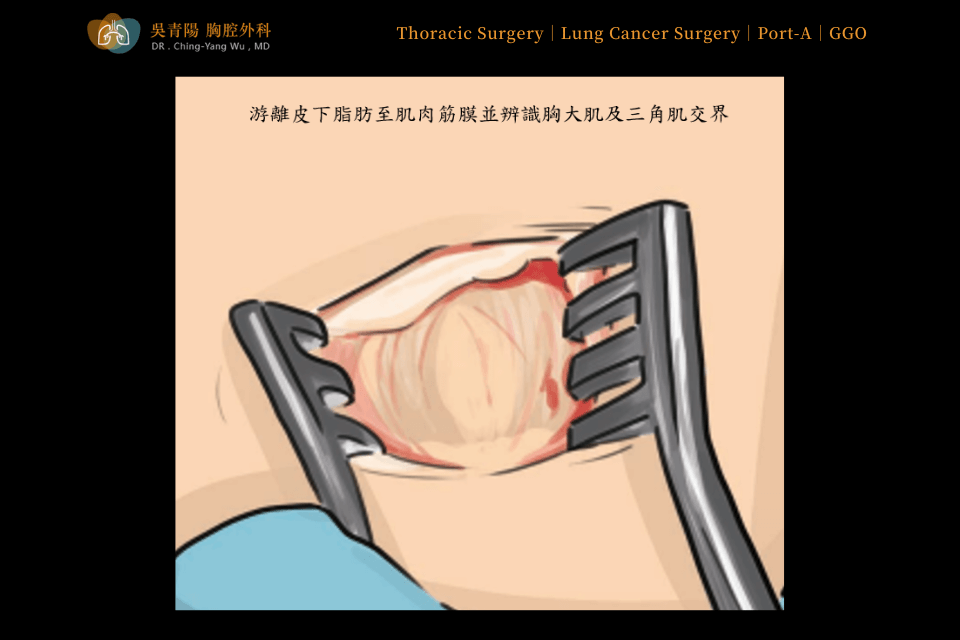
A self-retaining retractor is applied to keep the incision open, and the subcutaneous fat is dissected step by step until the fascia layer is reached.
At this stage, the anatomical landmark between the pectoralis major and the deltoid muscle is exposed, where the vein for Port-A insertion is located.
3. Venous Exploration and Catheter Insertion
The next step is venous exploration forPort-A placement.
In this region, both the cephalic vein and the thoracoacromial vein are present, forming a triangular branching area.
In most cases, the cephalic vein is preferred, as it lies more superficially and is easier for catheter insertion during Port-A implantation.
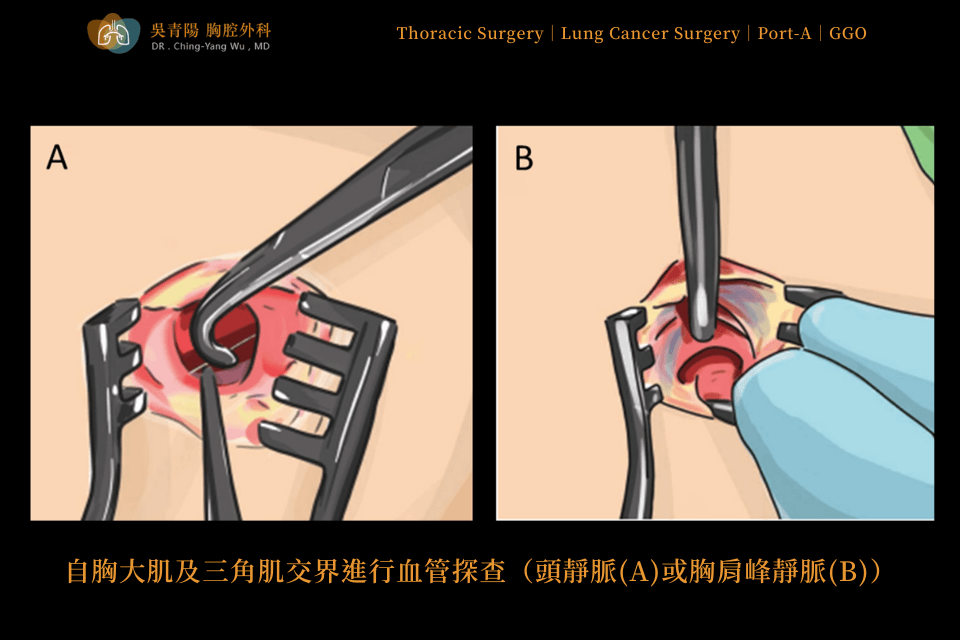
If the cephalic vein is not available, deeper dissection of the thoracoacromial venous branches in the triangular region can be performed to complete catheter insertion for Port-A placement.
4. Connection of the Catheter to the Port Chamber
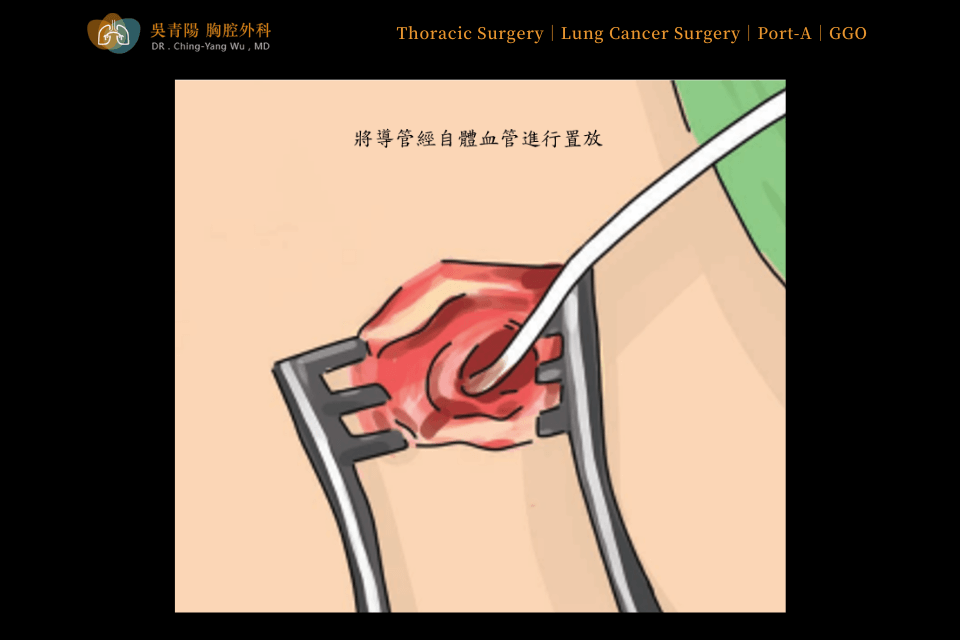
Once a suitable vein is located, the catheter is carefully and precisely inserted into the vessel.
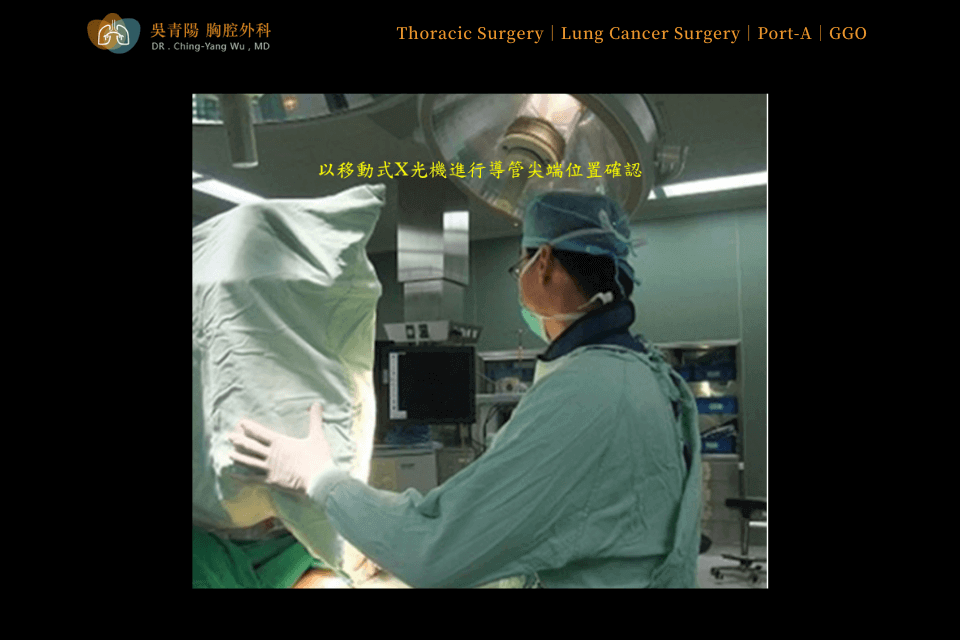
The depth of catheter insertion is verified using a mobile X-ray device.
The ideal position is at the junction of the superior vena cava and the right atrium.

After confirming the catheter tip is in the correct position, a small segment of catheter is left for connection with the Port-A device, and it is secured to the port with a locking mechanism to ensure stability.
5. Creation of a Subcutaneous Pocket
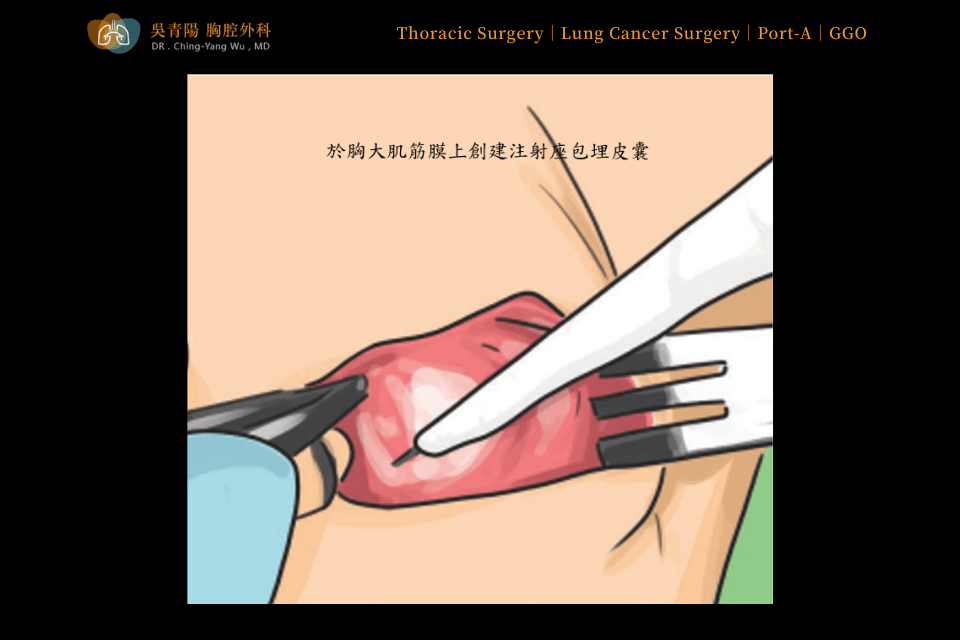
Once the earlier steps are finished, a subcutaneous pocket is formed above the pectoralis major fascia.
This pocket provides a secure space for the Port-A device to be fully implanted beneath the skin.
6. Securing the Port-A Device
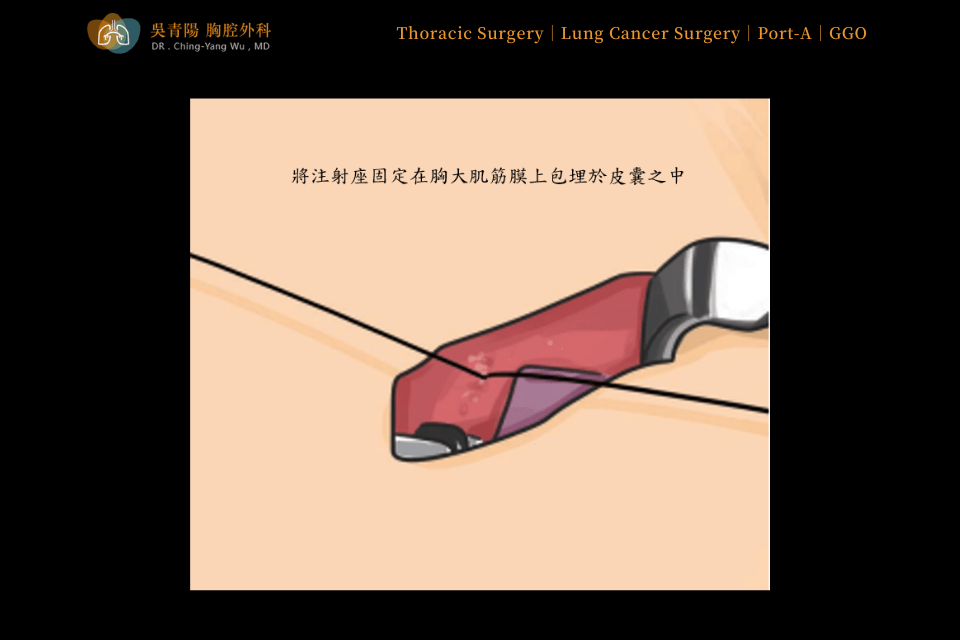
After creating the subcutaneous pocket, the Port-A device is secured above the pectoralis major fascia to prevent complications such as rotation or displacement.
7. Final Wound Closure After Port-A Placement
Once the wound is closed, the Port-A placement procedure is considered complete.
Reach Out Thoracic Surgeon
Precision Surgery For Thoracic Care
Get Immediate Help!